

Antioxidant BHT 264
CAS:128-37-0
Purity:99%
Contact Now
We will contact you as soon as possible
Your Location:Home >Products >Epoxy resin >2451-62-9
Product Details
|
Industrial Application |
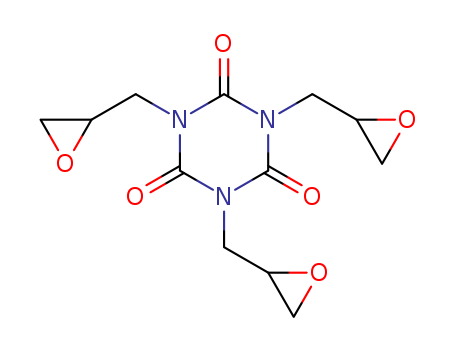
1,3,5-triglycidyl isocyanurate (TGIC) is a white powder or granular solid and is normally sold under the trade name ARALDITE PT810R or TEPIC G R. As a tri-functional epoxy monomer, TGIC is used in large scale as curing agent for powder coatings or for cross-linking elastomers. Rosin acids of natural origin may also be cured with TGIC for versatile applications. TGIC has also been used for pharmaceutical purposes, in membranes, for curing intelligent gels or liquid crystal elastomers. Especially, this curing agent has been widely used in dry powder coating for over 40 years. |
|
Health Toxicity |
It has been known that TGIC is toxic by inhalation and if swallowed. It is a severe eye irritant, and a mild skin and nasal irritant, although it has the potential to cause skin sensitisation in people which can lead to severe skin rashes. Exposure to TGIC in powder paints may cause not only contact dermatitis, but also occupational asthma. Kidney damage has also been observed in rats repeatedly exposed to TGIC by oral dosing, and damage to the developing sperm cells has been observed in mice repeatedly exposed to TGIC orally and by inhalation. There is an evidence that exposure of males to TGIC produces genetic changes in the sperm which may lead to heritable effects in the offspring. There is cause for concern that these effects could occur in humans, so that TGIC has been classified in the EU as a Category 2 mutagen. Exposures to TGIC during manufacturing procedures have been identified as hazardous to workers. |
|
General Description |
White crystalline solid. |
|
Air & Water Reactions |
Insoluble in water. |
|
Reactivity Profile |
Epoxides are highly reactive. They polymerize in the presence of catalysts or when heated. These polymerization reactions can be violent. Compounds in this group react with acids, bases, and oxidizing and reducing agents. They react, possibly violently with water in the presence of acid and other catalysts. |
|
Fire Hazard |
Flash point data for 1,3,5-Triglycidyl isocyanurate are not available; however, 1,3,5-Triglycidyl isocyanurate is probably combustible. |
|
Flammability and Explosibility |
Nonflammable |
|
Contact allergens |
Triglycidyl isocyanurate is a triazine epoxy compound used as a resin hardener in polyester powder paints, in the plastics industry, resin molding systems, inks, and adhesives. Occupational contact dermatitis can occur in people producing this chemical, in those producing the powder coat paint, and in sprayers. Respiratory symptoms have been observed. |
InChI:InChI=1/C12H15N3O6/c16-10-13(1-7-4-19-7)11(17)15(3-9-6-21-9)12(18)14(10)2-8-5-20-8/h7-9H,1-6H2
-
The invention discloses a synthesis meth...
The invention belongs to the technical f...
The invention relates to a preparation m...
The invention provides a method for synt...
![1,3,5-tris-(3-chloro-2-hydroxy-propyl)-[1,3,5]triazinane-2,4,6-trione](/upload/2026/7/bb5eaa63-957a-44d5-8c7d-3b2ad67dfedf.png)
1,3,5-tris-(3-chloro-2-hydroxy-propyl)-[1,3,5]triazinane-2,4,6-trione

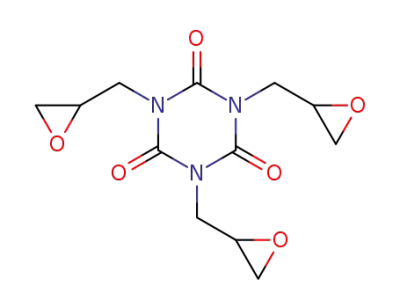
teroxirone
| Conditions | Yield |
|---|---|
|
With
calcium oxide;
at 50 - 60 ℃;
for 4h;
|
98.92% |
|
With
sodium hydroxide;
In
methanol;
at 15 ℃;
for 1.5h;
Temperature;
Solvent;
Large scale;
|
|
|
With
potassium hydroxide;
In
water;
at 35 - 50 ℃;
for 4h;
Temperature;
Reagent/catalyst;
|
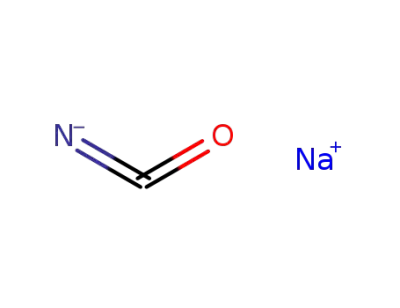
sodium isocyanate

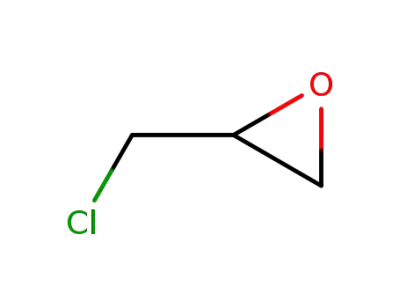
epichlorohydrin
teroxirone
| Conditions | Yield |
|---|---|
|
With
dihydrogen peroxide; benzyl bromide;
In
dimethyl sulfoxide;
at 20 - 70 ℃;
for 4h;
Reagent/catalyst;
Solvent;
Temperature;
|
85% |
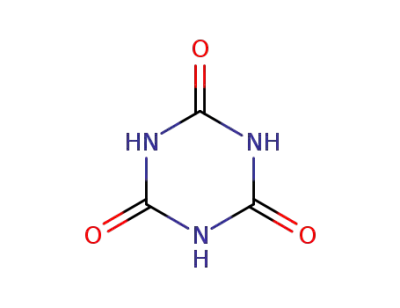
cyanuric acid
epichlorohydrin

triallyl isocyanurate
1,3,5-tris-(3-chloro-2-hydroxy-propyl)-[1,3,5]triazinane-2,4,6-trione
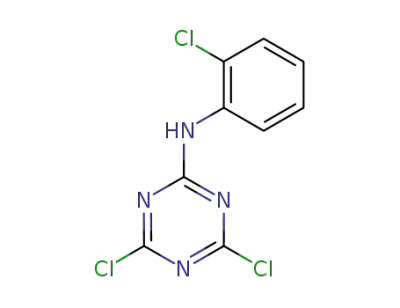
anilazine
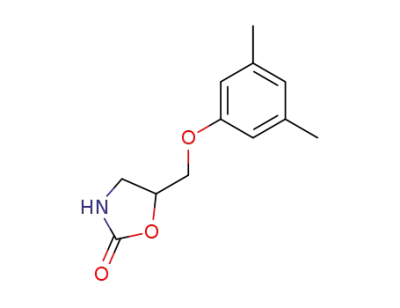
metaxalone
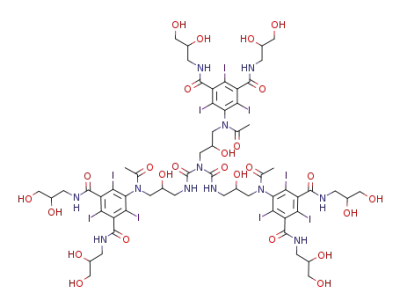
N,N,N'-tris-(3-{acetyl-[3,5-bis-(2 3-dihydroxy-propyl-carbamoyl)-2,4,6-triiodo-phenyl]-amino}-2-hydroxy-propyl)-dicarbonimidic diamide

C51H45N3O12